Coffee: Distribution Reveals Your Brand Positioning
(Images used for editorial commentary; rights remain with their respective owners.)
I’ve spent the last few months looking closely at three British coffee brands.
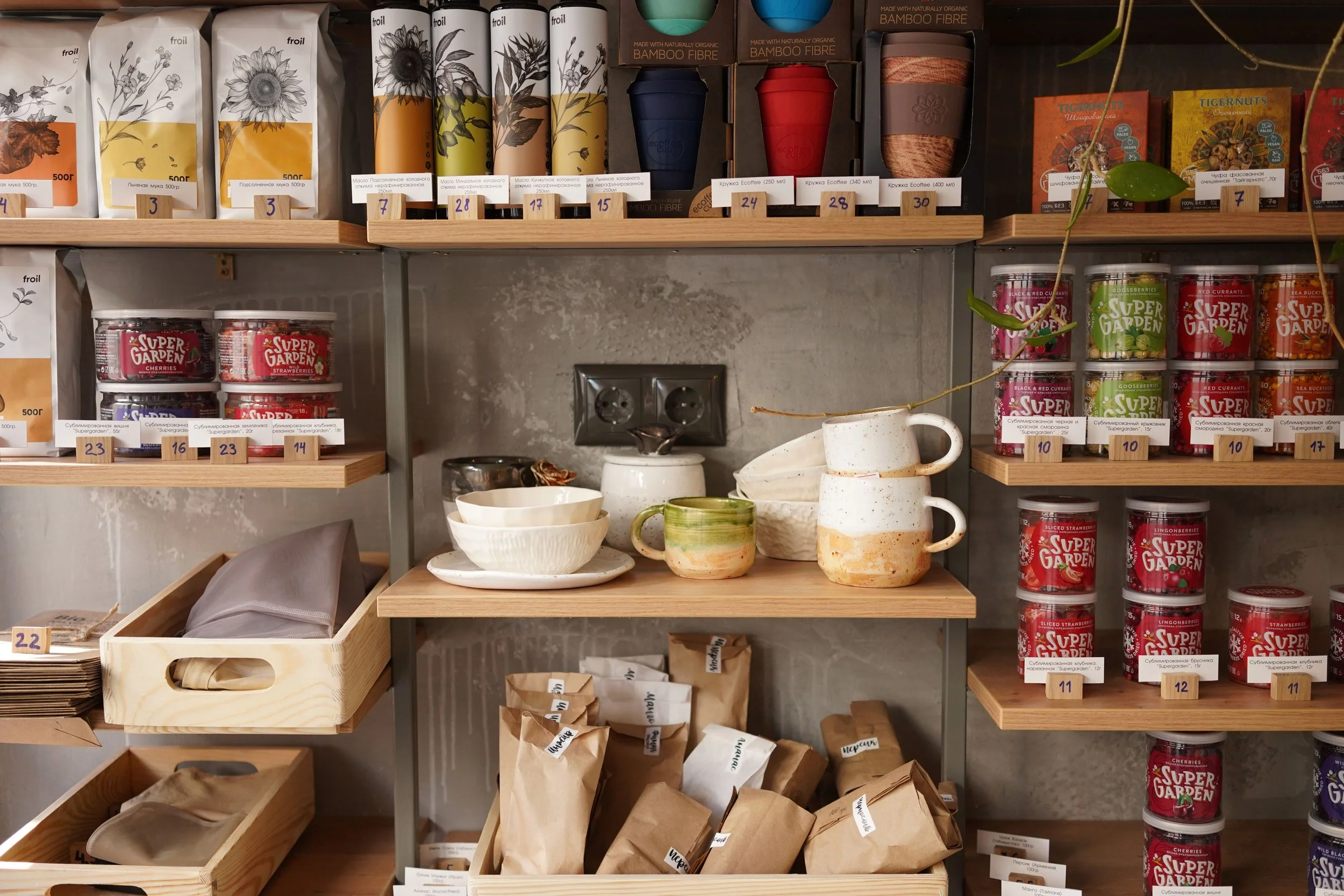
Origin, in Cornwall.
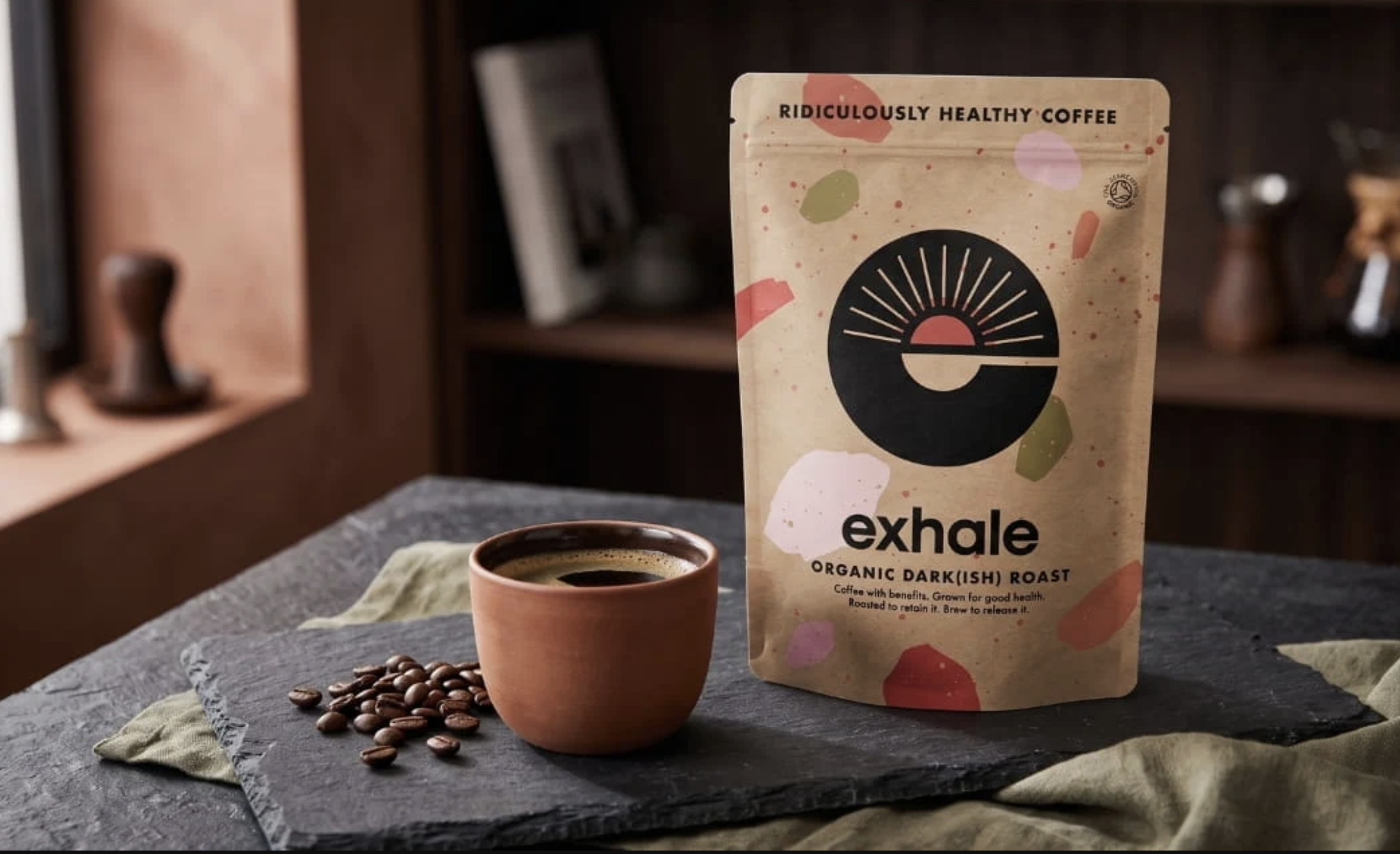
Exhale, in London.
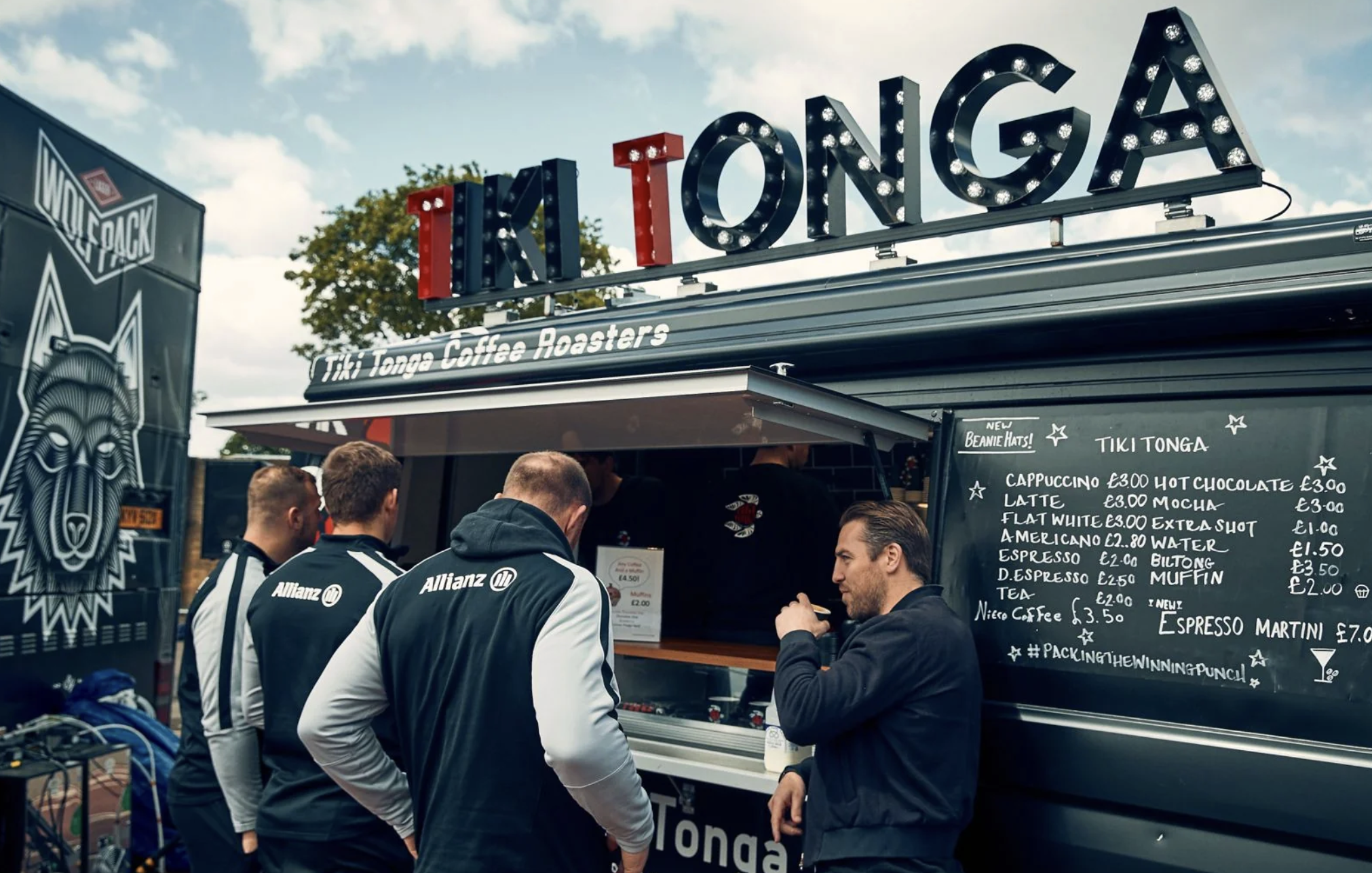
Tiki Tonga, in St Albans.
I like all three. I drink all three. And in almost every way that a customer could measure - grind, brew, the actual experience of opening the bag and making a cup on a Tuesday morning - they are the same product.
They would all dispute that, politely, and each would give me a different reason why. But when I read what they say about themselves, I find three brands making broadly the same argument in different accents. Ethically sourced. Properly roasted. Better than what you’re drinking now. Certified by someone. Chosen by people who know.
Yet these are genuinely three different businesses, with three different reasons to exist, serving three different kinds of person.
I am not sure either of them are aware that if we’re honest, almost none of that difference is doing any work at the moment of purchase.
They’re Sharing Proof Points With Eachother
Start with what they have in common, because it’s more than any of them would like.
All three sit in a category with a rigid grammar that developed in about a decade. Single origin or direct trade. Certification of some kind. A founder story. A roastery you can name. Language about care, craft, and doing right by the grower. Two of the three are B Corps.
None of this is fake. All of it is earned. And almost none of it is distinguishing, because the customer standing in front of the shelf cannot verify a single word of it.
That’s the thing worth sitting with. In this category the customer can’t taste the ethics. They can’t detect the certification. They can’t tell a direct-trade relationship from a well-written paragraph about one. Every claim in this market is taken on trust, which means the claim itself isn’t the asset - the reason to believe it is.
So what actually does the separating?
Three Brands, Three Completely Different Businesses
Here’s what I found when I looked past what each one sells and asked what each one is actually for.
Origin, is a credibility business
Twenty years old, Cornish, B Corp certified with a score of 95.6, European Coffee Awards Best Speciality Coffee Roaster in Europe in 2023, £15.95m turnover and 117 people. It moves green coffee across the Atlantic under sail, which as far as I know nobody else in UK coffee does.
But its wholesale customers - the hotels, the restaurants, the several hundred independent operators - aren’t buying beans. They’re buying a signal to their customers that they take coffee seriously. Origin’s product is roasted coffee. Its asset is trust, and it lends that trust out to other businesses.
Its stated position is “one of Europe’s leading speciality coffee roasters.” That’s a ranking, not a position. It tells you where the company sits on a ladder rather than what it’s for, and it invites comparison on exactly the dimensions where the category is most crowded.
Exhale, is a trust business
Founded in 2019, Brixton-roasted, organic, single farm in Cauca, three SKUs, B Corp. Around 5,000 subscribers generating roughly 80% of revenue, a marketing efficiency ratio of 13 on 8% of revenue in paid, and a crowdfund that raised £379,642 from 271 investors - many of them customers first.
The public claim is health: “Ridiculously Healthy Coffee.” But read the founder’s own writing and a different company appears. Al Higham’s argument isn’t really about coffee at all - it’s a sustained attack on an industry that sold him complexity while he was ill.
Which makes Exhale, in substance, a business selling relief from having to evaluate another health claim. Its customers aren’t buying antioxidants. They’re buying one thing in the day that’s already been checked.
And here’s the tension: it’s fighting the wellness industry using the wellness industry’s weapons. Big numbers, fear-adjacent claims, permanent discounting.
Tiki Tonga, is an access business
Founded 2016 by Brad Barritt - South African-born England international, Lions squad member, Saracens captain across twelve seasons and 262 appearances - and Justin Bedford-Stockwell.
The homepage carries Nike, Guinness, Tottenham Hotspur, Saracens, the Tour of Britain. There’s a Diageo global licence. No comparable business could assemble that partner list.
Its distinguishing capability isn’t roasting or sourcing. It’s that a respected former international can open doors a coffee company of its size has no business getting through. That access is genuine, valuable and rare.
It’s also currently being spent borrowing other people’s credibility rather than building the company’s own. The licensed Guinness product occupies the homepage hero, the top navigation and the meta description. Meanwhile the genuinely proprietary asset - blends numbered by rugby shirt position, No.2 The Heavy Hitter for the hooker, No.3 The Unsung Hero for the tighthead - sits underneath it, largely invisible.
Your Brand Muse Won’t Scale You
Every one of these brands has a cohort that gets it completely. They all do an amazing job at connecting there.
The Exhale customer who found the brand while recovering from illness and writes to the founder by first name. The Origin subscriber who can tell you which farm and which lot. The sports fan who knows exactly why the blends are numbered.
I’d call this the brand muse: the smallest, most segmentable, most articulate cohort a brand has. Every one of these three serves theirs brilliantly. That’s not a criticism - building something that a small group of people love that much is genuinely hard and most brands never manage it.
But the muse is a terrible guide to growth, for one uncomfortable reason.
Scale doesn’t come from one expertly identified niche persona who happens to tick every single box. Scale comes from people who will give you about a second and a half of attention and no benefit of the doubt at all.
So growth means going wider. And this is where nearly everyone gets into trouble, because the instinctive way to go wider is to soften - broaden the language, hedge the claim, make the proposition roomier so more people can fit inside it.
But don’t get it twisted.. Going wider actually means going sharper.
Where You’re Sold Is Sometimes The Loudest Thing You Say
Now the part I think none of you have ever thought of…
A coffee served in a good hotel says one thing about the person drinking it. The same quality of coffee in a rugby clubhouse says something completely different. The same coffee again in a health food shop says a third thing. Not one of those signals was written by a copywriter. All three were chosen by a commercial team, usually on a spreadsheet, usually without anyone calling it brand.
We keep treating distribution as a route to market. It isn’t. It’s a statement about who this is for, delivered before the customer has read a single word.
Where you’re sold. The single loudest one.
Price. Including how often you discount, which tells people what the real price is.
Who represents you. Ambassadors, partners, the logos on the homepage.
How you handle customer service. Tone under pressure is a brand statement.
Packaging. What it feels like to be seen holding it.
Then there’s the set everyone already manages carefully - comms, logo, social, language, copy.
The problem is that the second set is usually owned by marketing and the first set usually isn’t. So a brand can be immaculately consistent in everything it says and completely incoherent in everything it does, and the customer reads the doing.
Tiki Tonga is the clearest illustration. Its natural territory isn’t the elite stadium, where it’s one supplier among many competing on price and service. It’s the clubhouse - the thousands of rugby, cricket and football clubs where the bar is central to the culture and the coffee is uniformly terrible. Its founder played the game at the highest level. Its blends are already named after positions on the pitch. Nobody owns that room.
That’s a distribution decision that would do more positioning work than any tagline.
The shelf test
Try this properly, because it’s uncomfortable and it takes four seconds.
Put all three bags on a shelf next to each other. Now stand in front of them as somebody who has never heard of any of them, has about a second and a half, and is mildly hungover.
What actually happens?
You don’t read the sourcing note. You don’t clock the certification. You almost certainly don’t register the roast date, and you definitely don’t weigh a marketing efficiency ratio. You register one thing - is this obviously for someone like me - and then you either pick it up or you don’t.
Under those conditions, “one of Europe’s leading speciality coffee roasters” does nothing. It’s a claim that requires you to already care about the ladder it refers to.
“Ridiculously Healthy Coffee” does quite a lot, which is exactly why it works, and exactly why it’s being copied.
A bag with a number 2 on it and the words “The Heavy Hitter” does something too - but only if you’ve ever played, and only if the bag is somewhere a person who’s played is likely to be standing. Which is the whole argument in one sentence.
The shelf is where positioning gets tested and most positioning has never been near one. It was written in a document, agreed in a workshop, and signed off by people who already know the answer.
If your position needs a paragraph, you don’t have one. You have a rationale.
What to Actually Do About It…
If you’re carrying this problem, the work isn’t a rebrand. It’s four decisions, in order.
Name the business you’re actually in. Not the product you make - the job you do. Credibility, trust, access. That answer should change what you sell, not just how you describe it.
Find the sentence that survives being repeated badly. Not your positioning statement. The thing a customer would say to a friend. If you don’t know what it is, ask ten customers to describe you and count how many different answers you get.
Audit the signals you don’t call brand. Where you’re sold. What you discount. Whose logo is on your homepage. Then ask whether those decisions are saying what your copy is saying.
Decide who you’re not for, and act like it. Out loud, in the product range, in the channels you decline.
None of this requires a new logo. Most of it requires a leadership team to agree on something they’ve been comfortably leaving vague.
First Five helps leadership teams get clear on who they are, who they serve, what makes them different, and how every part of the business should express it consistently. Marketing is usually the first visible outcome of that work. It isn’t the objective - clarity is.