Women's Sport Marketing and the Problem Nobody's Talking About
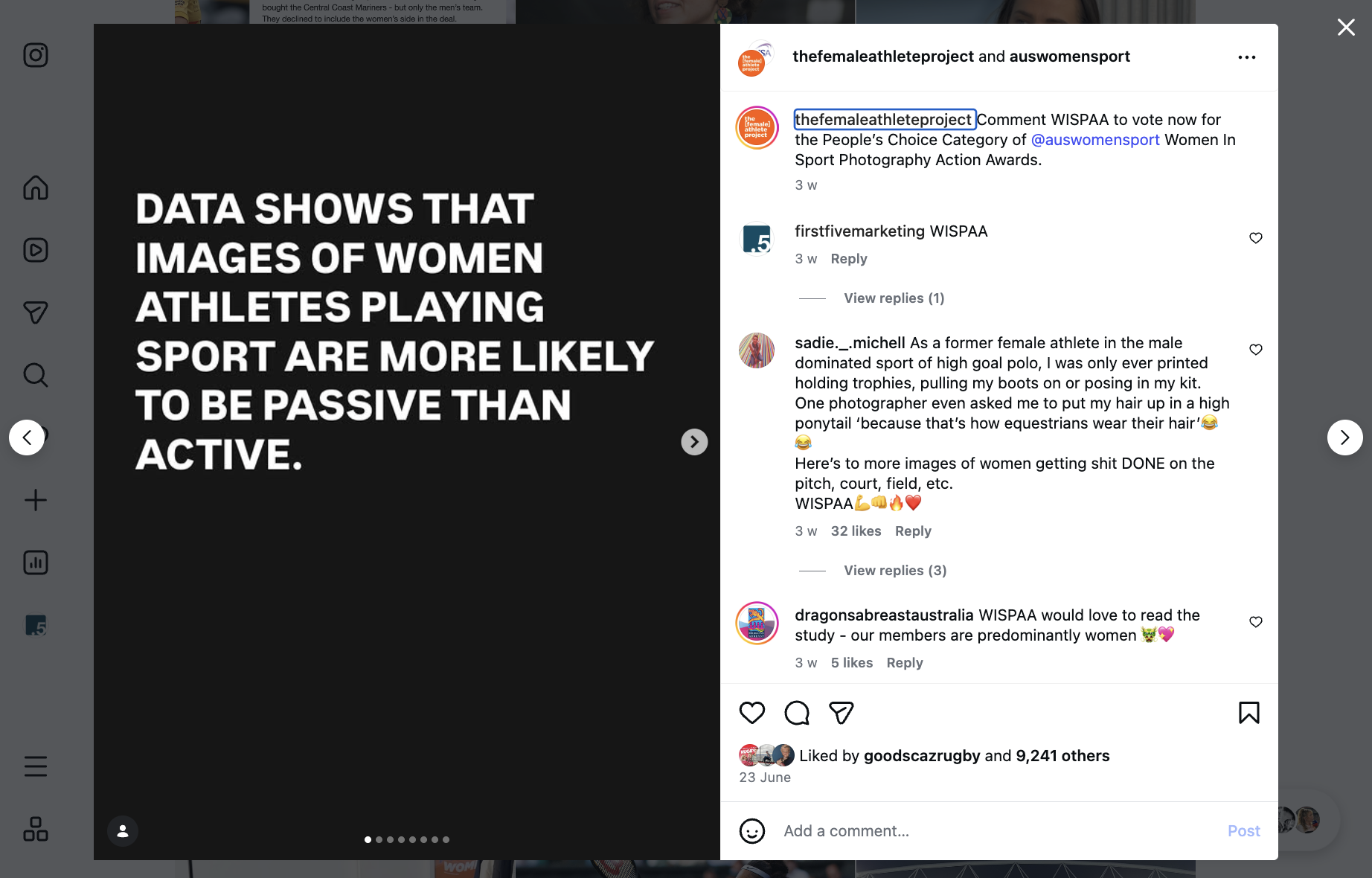
A few weeks ago, I came across a post from the brilliant folks at the Female Athlete Project highlighting data from the Women In Sport Photography Action Awards.
The statement was clear: images of women athletes playing sport are more likely to be passive than active.
It's a valid observation. And it's worth examining. But I think we're missing another angle to this conversation — one that explains some of what's happening without excusing it.
I'm writing this as a middle-aged white male who's spent 15 years in sport marketing, so take that context as you read. I'm not here to explain away a problem. I'm here to add some nuance to why the problem exists in the first place.
The problem identified is very real
Let's start there. The data point isn't wrong.
Women athletes are being photographed in more passive, styled, product-focused imagery than their male counterparts. And yes, on the surface, that can look like intentional positioning - like the industry is trying to make women athletes look less aggressive, less powerful, less dynamic.
I don't think that's the intent. But intent doesn't matter if the output is the same.
The Women In Sport Photography Action Awards exists because the industry needed to be called out. That's good. We need more dynamic, action-focused imagery of female athletes. Full stop.
But here's the part people aren't talking about.
The Commercial Reality Nobody Wants to Admit
A few years ago, I worked on a creator commerce project at Nike where we were testing how different audiences engaged with athlete-created content across social platforms.
The data was interesting.
Male audiences tended to engage more with dynamic action imagery — athletes in motion, showing effort, showing power. The narrative was simple: use this product, perform like this. The connection was about aspiration and performance.
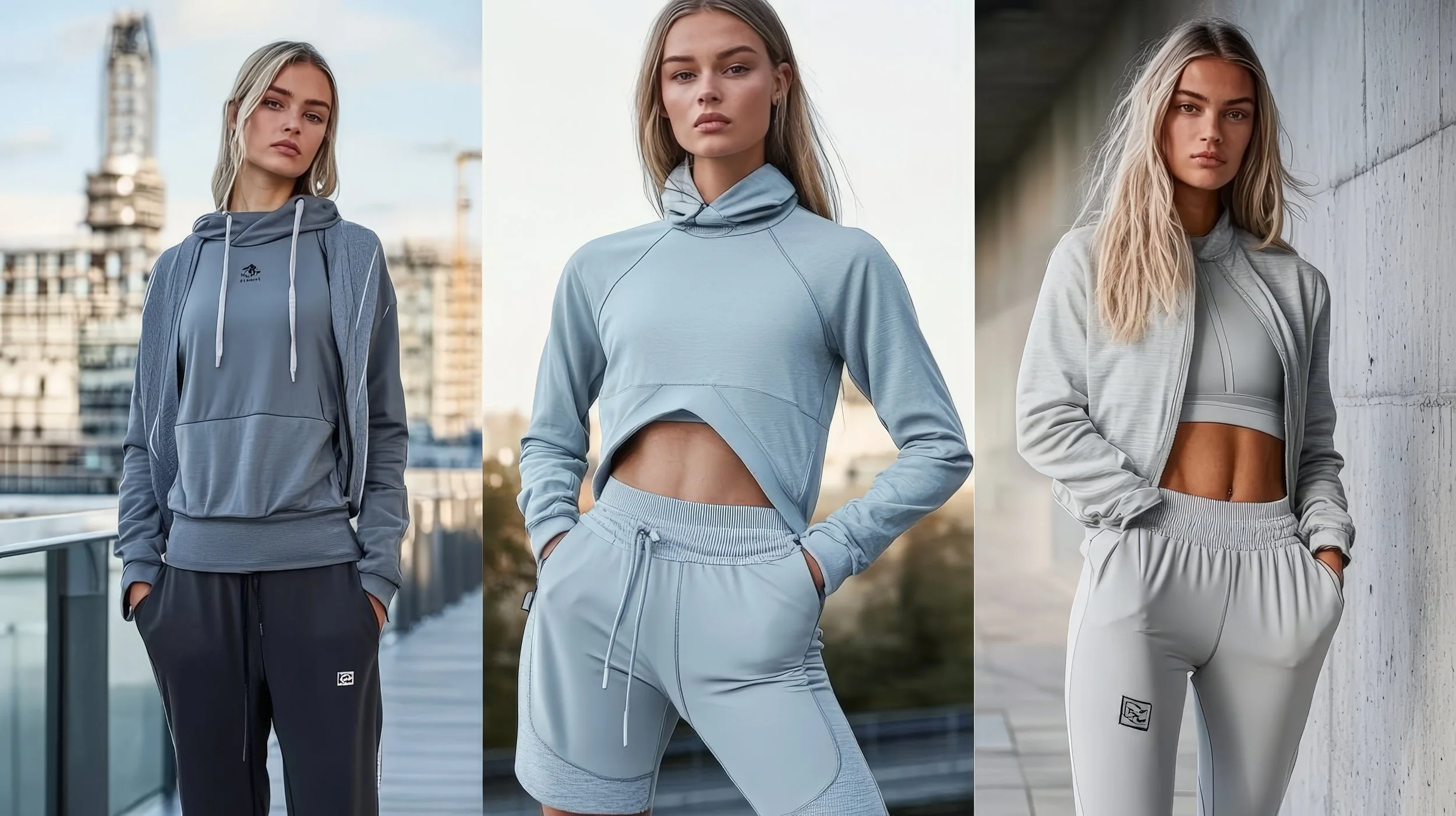
Female audiences engaged differently. They engaged more with styled, outfit-led, editorial product photography. The focus wasn't "what will I perform like?" The focus was "how does this fit? How does it feel? What outfit does this work with?"
Now, before anyone pushes back: I'm not saying this is biological. I'm saying the data showed different shopping behaviors based on how these audiences had been conditioned to shop, market to market, campaign to campaign, over years.
Women shop apparel differently than men do. Walk into any retail store and you'll see it designed that way. Collections. Outfits. Styling options. Versus men's apparel organized by category and individual pieces.
Those aren't accidents. They reflect how these audiences actually shop.
Here's Where It Gets Complicated
Brands know that when they hand over creative control to athletes and creators, the engagement and conversion multiplies. We're talking 3-5x higher conversion because of the trust these individuals carry.
Athletes are more authentic. Audiences trust them. So brands want athlete-generated content.
But here's the problem: how is an athlete with a ring light and an iPhone supposed to shoot dynamic action content?
They can't. Not really. Not at the level a professional production can.
So what happens?
The athlete shoots what they can shoot: styled product photography, outfit combinations, product showcase. It's authentic. It's trustworthy. It converts.
…and it's more passive.
Meanwhile, brands need those campaigns to convert. Conversion data tells them what creative formats work for their intended audience. So when they're sourcing assets, they're choosing what the data says will work.
For female audiences shopping apparel, that's often styled product photography, not dynamic action shots.
The outcome? More passive imagery of female athletes in campaigns.
Is it intentional sexism? No.
Is it a problem? Yes.
The Missing Conversation
Here's what nobody's saying:
The solution isn't to stop using styled, editorial product photography.
The solution is to ensure you have a FULL portfolio of creative assets that shows all dimensions of the athlete.
Dynamic action shots. Styled product photography. Behind-the-scenes. Strength. Vulnerability. Power. Style. Everything.
Because here's the uncomfortable truth: if brands keep creating passive product photography, it's because audiences are engaging with it. Media algorithms don't serve content people don't engage with.
If passive imagery disappeared, it's because audiences stopped converting on it.
But audiences are converting on it. So the algorithm keeps serving it.
Which means either:
1) We need to shift what audiences are trained to engage with
2) Or we need brands to be intentionally diverse in their asset creation regardless of what converts best
Probably both….

The Uncomfortable Part
I'm going to say something that'll probably get pushback.
Part of the reason more passive imagery exists of female athletes isn't because the industry is trying to make women look weak.
It's because the industry is trying to solve for two competing things at once: authenticity (athlete-created content) + conversion (what actually sells).
And when you're trying to solve for both, you end up with more styled, product-focused imagery because that's what the data says works for how female audiences have been trained to shop.
But "the data says it works" is not the same as "it's the right thing."
And "it's what audiences engage with" doesn't mean it's not reinforcing certain narratives.
What Needs to Change
None of this is an excuse. It's a diagnosis.
And the diagnosis points to a few things that need to happen:
First: Brands need to stop letting conversion data be the only voice in the room. Yes, styled product photography converts. Yes, do that. But also intentionally create dynamic action imagery even if it doesn't convert as well. You're building brand narrative, not just quarterly revenue.
Second: Athletes need to have the resources to create content across formats. If we want authentic athlete-created action content, we need to give athletes access to better production tools and support.
Third: We need to stop pretending the imagery problem is separate from the resourcing problem. They're connected.
Fourth: Audiences need to be shown different imagery more consistently so shopping behaviors can actually shift. Which means brands leading that change, not waiting for audiences to change first.
The Real Issue
The Female Athlete Project's data point wasn't wrong.
Women athletes are being photographed more passively than men - But the reason isn't because the industry is deliberately trying to make women look weak.
It's because the industry is trying to serve conversion and authenticity and resource constraints and algorithmic efficiency all at once. And in that collision, more passive imagery emerges.
Which then reinforces certain narratives about what women athletes are.
Which then conditions audiences to engage differently.
Which then makes the next campaign's data show "this is what works."
It's a cycle. Unfortunately.
And it needs to be broken intentionally, not accidentally.
That's what the Women In Sport Photography Action Awards is trying to do.
That's what responsible brands should be doing.
Not waiting for the data to change. Leading the change despite what the current data says.