Product & Operational Excellence Is Great, But Doesn’t Guarantee #1 Brand Status
(Image credits: All Origin Coffee photography and brand assets remain the property of Origin Coffee and are used here for commentary, review and editorial analysis.)
I spend a lot of time helping leadership teams make better strategic decisions by creating clarity around who they are, who they serve, what makes them different, and how every part of the business should express that consistently.
Yes marketing is usually the first visible outcome, but it isn't (or shouldn't be) the first objective. Brand clarity is.
- I believe, that in a crowded marketplace, your greatest competitive advantage is a distinctive brand that people recognise, understand and remember
Done right, even the best companies can unlock the ability to build and sustain competitive advantage through brand alone.
So this week to illustrate my thinking, i looked at what is certainly my favourite coffee brand, Origin Coffee
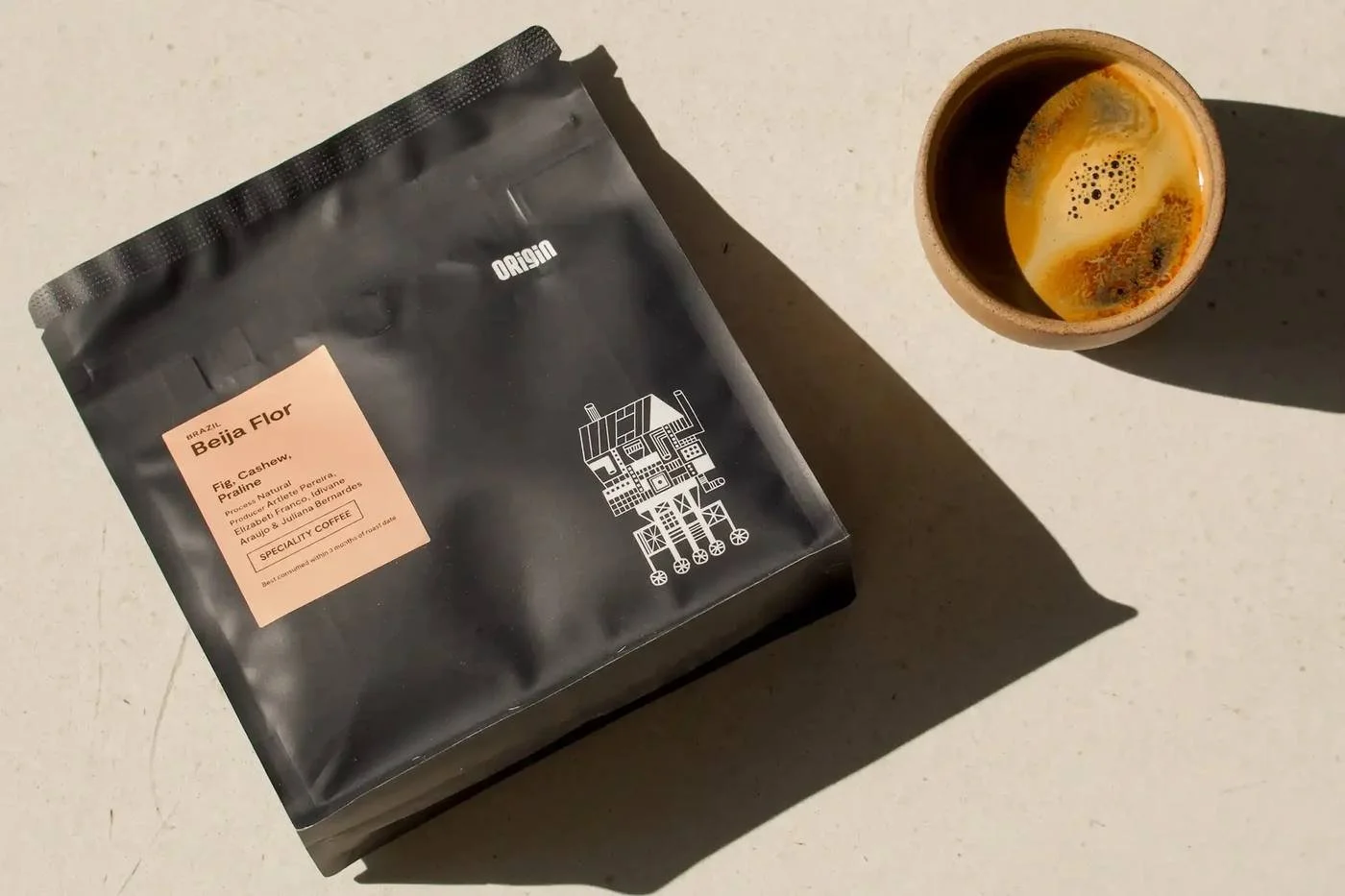
Image courtesy of Origin Coffee.
Origin is not just my favourite coffee brand, it's also one of the best examples I've seen of a business that's operationally exceptional...but strategically leaving value on the table.
Origin is one of the UK's most respected specialty coffee companies. Founded in Cornwall over twenty years ago, it has evolved from a premium coffee roaster into what is arguably one of Britain's most influential specialty coffee brands.
Today it sits somewhere between artisan coffee company and modern lifestyle brand.
It sells coffee - but, on a brand level, that isn't really the business.
Their purpose?
To improve coffee through better relationships.
The company’s vision?
A better coffee industry - One built on transparency, quality and sustainability.
Mission?
Source exceptional coffee responsibly.
Roast beautifully.
Educate customers.
And Improve every stage of the coffee journey.
Honestly, on a brand level I'd say Origin perhaps isn't even really about coffee. They're product is taste, craft, education and conscious consumption – coffee is just their category, or perhaps their marketplace identifier.
They help customers feel like they are making a better decision. Better coffee. Better sourcing. Better environmental impact. Better design. Better culture. And every product acts as proof of those beliefs. That makes for a considerably more valuable brand than simply selling coffee beans.
Five years ago maybe, simply being "specialty" created separation., but today., everyone claims quality, talks about producers, and champions sustainability.
Origin is no longer competing against poor coffee. It is competing against increasingly similar brand narratives. And there in lies their strategic challenge.

Image courtesy of Origin Coffee.
Origin (and most of their competitors) have become famous for how they operate – sustainably.
Less famous for any unique belief or value.
Looking across the competitive landscape, each brand occupies a slightly different expression of essentially the same promise.
Square Mile leads with expertise and coffee authority.
Assembly emphasises innovation and progressive sourcing.
Ozone blends speciality coffee with hospitality.
Caravan leans into lifestyle and experience.
Pact democratises speciality through convenience.
Kiss the Hippo elevates luxury and sustainability.
Origin arguably executes more consistently than many of them, but businesses that become category leaders don't simply explain what they do better.
True leaders become synonymous with an idea.
Patagonia owns responsible consumption.
Liquid Death owns anti-corporate irreverence.
Gymshark owns self-improvement.
Apple owns simplicity.
Nike owns human potential.
Origin currently delivers excelent specialty coffee."
That is impressive. But it isn't yet iconic. The opportunity isn't to become a better coffee company. The opportunity is to become the brand that defines what modern coffee culture should become.
That is a considerably larger opportunity and legacy for Tom Sobey and the team.
Origin have built an exceptional business on a quality product.
Origin's brand execution is consistently strong. So The challenge isn't inconsistency.
So this may sound counterintuitive, but the challenge might be that they’re diluting their brand with too many equally compelling messages.
Quality.
Craft.
Producer.
Ethical Transparency.
Taste.
Consumer
Education.
Hospitality.
Sustainability.
All are true. but collectively, they compete for attention.
I always feel the most distinctive brands don't try to pitch endless values, they communicate fewer ideas but with greater ownership.
Origin’s brand communications focus heavily on process, where coffee comes from, how it is sourced, who produced it, how it is roasted and how to brew it
But these are proof points. They are not the idea.
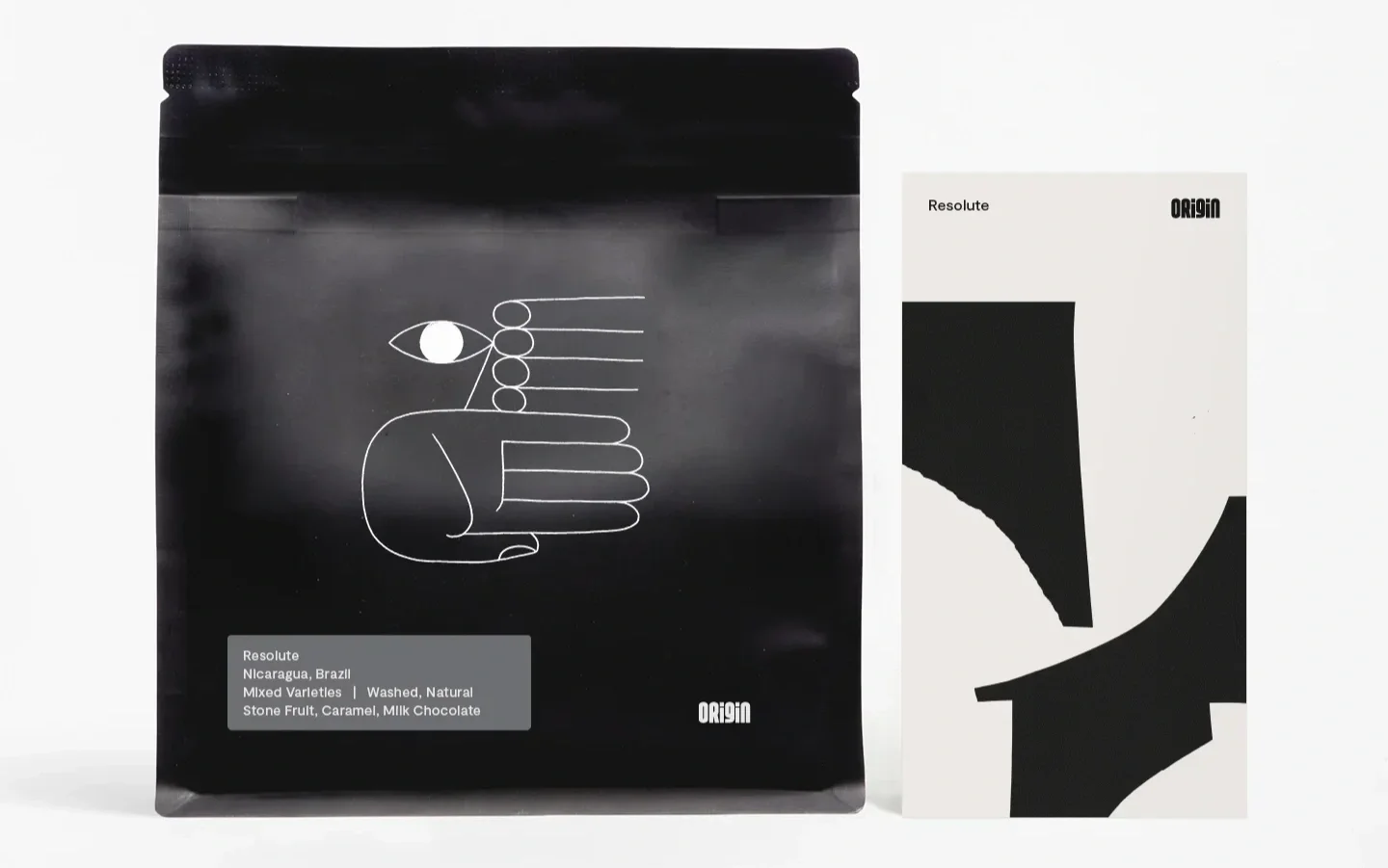
Image courtesy of Origin Coffee.
So what should Origin own?
Well, not "Exceptional coffee." Everyone claims that. And not "Ethically sourced coffee". I think Origin should own something much larger.
What stands out to me isn't simply the quality of its coffee, but the consistency of brand relationships. Every part of the organisation appears to be built on the belief that long-term relationships create better outcomes than short-term transactions.
Relationships with producers create better coffee. Relationships with wholesale partners create better businesses. Relationships with customers create trust. Relationships with communities create lasting impact.
Running through all of those is a common thread: Care.
It feels as though Origin believes that care is what transforms transactions into relationships, and that relationships are where genuine long-term value is created.
This is the territory I believe Origin should aspire to own.
Not coffee. Not sustainability. Not craft.
The belief that care is the ultimate competitive advantage.
When people genuinely care - about producers, partners, craft, customers and communities - they make better decisions.
Care becomes the identifiable driving force of brand behaviour. Sustainable business and relationships are the outcomes. Great coffee is just the proof.
Every one of Origin's strongest assets reinforces this belief:
Twenty years of direct producer partnerships demonstrate that Origin believes long-term relationships outperform transactional buying. This isn't simply a sourcing model; it's a commercial philosophy that has shaped the quality and credibility of the business.
Origin's industrsy reputation has been earned through consistent behaviour rather than bold claims. The trust it enjoys across the industry is the result of investing in relationships over many years, not chasing short-term growth or changing direction with trends.
Origin's restrained and considered design language reflects the same philosophy. Nothing feels rushed or attention-seeking. The brand communicates confidence, care and long-term thinking rather than novelty.
Its cafés and hospitality relationships are where the philosophy becomes tangible. They are not simply places to buy coffee, but places where customers experience the value of care, attention and genuine hospitality. They demonstrate that relationships create experiences products alone cannot.
Even the relationship to Cornwall - which isn't simply where Origin roasts its coffee; it's where its philosophy was formed. The region's emphasis on craftsmanship, community and a considered pace of life has influenced the way the business approaches producers, partners, customers and growth. It reinforces the idea that care is not a campaign, but a way of life.
Collectively, these assets support far more than a premium coffee brand.
They support a business built on the conviction that better relationships create better outcomes -for producers, partners, customers, communities and ultimately the category itself.
The strategic opportunity is no longer to become known simply for making better coffee.
It is to become the brand that proves business itself is better when quality, relationships and people are valued above transactions.
- Origin doesn't make better coffee because it cares. It proves that businesses become better when they care deeply about what they do.
-
Editorial note: This article contains brand imagery used solely for the purposes of commentary, review and strategic analysis. All trademarks, logos and photography remain the property of their respective owners.